
🧠 When Kids Explain the Rules
How Teaching a Game Builds Real Thinking Skills


Introduction
There is a moment during play that often goes unnoticed.
It’s not when a child wins.
Not when the game ends.
It’s when a child looks up and says,
“Wait, let me explain how this works.”
In that moment, play quietly turns into thinking.
Explaining Is Proof of Understanding
When children explain game rules, they are not just repeating instructions.
They are:
-
Organizing information
-
Sequencing steps
-
Choosing words carefully
-
Adjusting explanations based on who is listening
Educational psychology shows that teaching others requires deeper cognitive processing than simply following rules.
To explain, a child must first truly understand.
That’s real learning in motion.
Why Rule-Explaining Strengthens Thinking
During rule explanation, multiple skills activate at once:
-
Logical thinking: “First this happens, then that.”
-
Language development: Turning ideas into clear sentences
-
Perspective-taking: Noticing what others do or don’t know
-
Confidence: “I know this well enough to teach it.”
This is why children often understand a game better after explaining it than before.
The Parent’s Role: Listen, Don’t Correct Too Fast
Parents often jump in to fix small mistakes.
But gentle restraint matters.
When a child explains:
-
Let them finish
-
Allow small imperfections
-
Ask clarifying questions instead of correcting
Questions like:
-
“Why do we do that first?”
-
“What happens if someone skips a turn?”
These invite deeper thinking without taking control away.
Games That Invite Explanation
Not all games create this opportunity.
Games that work best for rule explanation:
-
Have simple but flexible rules
-
Allow turn-taking and decision points
-
Can be adapted or slightly changed
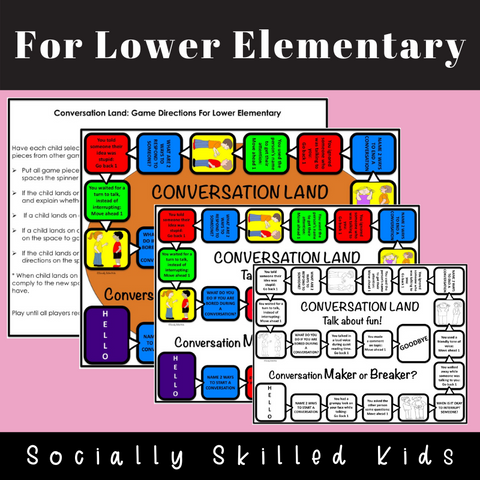
Board games, strategy games, and open-ended play tools naturally encourage children to explain, negotiate, and rethink rules.
This is where Thinkie shines.
The Thinkie Perspective
At Thinkie, we believe thinking grows louder when children speak.
We don’t just ask:
“How fun is this game?”
We ask:
“Does this game invite explanation, reasoning, and dialogue?”
Because when children explain the rules,
they are practicing how to think clearly, not just how to play.
Closing Thought
The next time your child says,
“Let me explain,”
Pause.
Listen.
You’re not just hearing game rules.
You’re hearing thinking take shape.