
What “One More Round” Really Means

Introduction
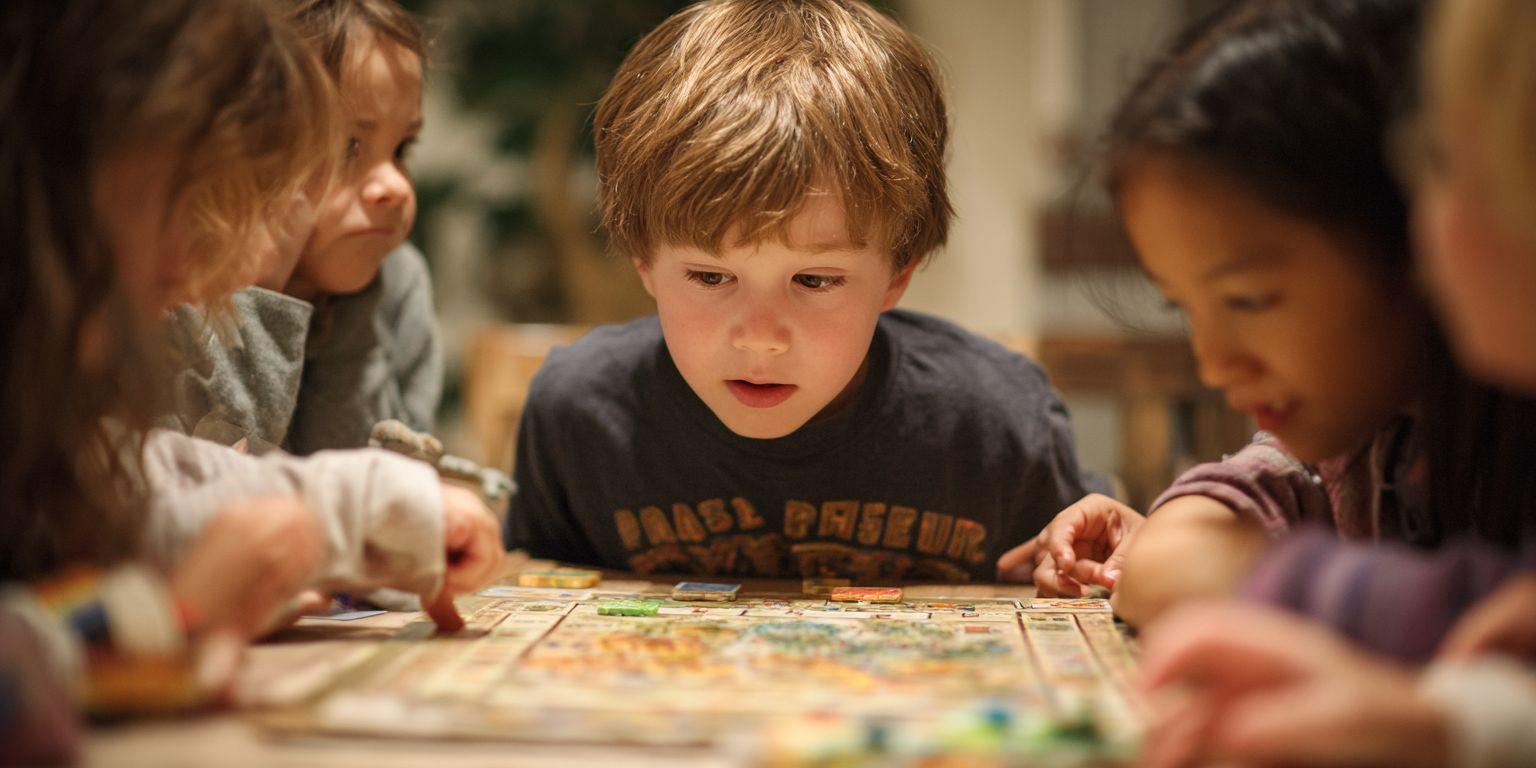
“Just one more round.”
Children say this often.
Not because they are bored, but because something inside the game is still unfinished.
When a child asks to play again, it is rarely about winning.
It is about thinking again.
Repetition Is Not Random
Adults often see repetition as habit.
Children experience it as exploration.
Playing again allows children to:
-
Test a new idea
-
Fix a previous mistake
-
Try a different strategy
-
Feel mastery grow quietly
Each replay is a small experiment.
Psychologists studying learning through play note that repetition helps children refine decision-making and build internal confidence, especially when outcomes depend on choices rather than chance.
The Comfort of Familiar Rules
Once children understand the rules, their minds are freed.
They no longer worry about how to play.
They start focusing on what if.
This is when real thinking begins.
Familiar games create a safe mental space where children can:
-
Anticipate outcomes
-
Plan ahead
-
Adjust strategies mid-game
The table becomes a place for thought, not pressure.
Losing Once Is Often Not Enough
Many children ask to play again right after losing.
This is not frustration.
It is processing.
Playing again gives them a chance to:
-
Reframe the loss
-
Apply what they learned
-
Regain emotional balance
Research in developmental psychology suggests that repeated exposure to challenge in low-stakes environments supports emotional regulation and resilience.
Games provide exactly that.
Why “Again” Is a Sign of Growth
When a child asks to play again, they are saying:
“I’m still thinking.”
“I want to try differently.”
“I’m not done learning yet.”
This moment matters.
Stopping too early can interrupt a thinking cycle that is still forming.
How Parents Can Respond
Instead of asking, “Did you have fun?” try:
-
“What do you want to try differently this time?”
-
“What did you notice in the last round?”
These questions shift focus from outcome to process.
And sometimes, the best response is simply:
“Sure. One more round.”
A Thinkie Thought
Games are not just something children play.
They are something children return to
when their minds are still working.